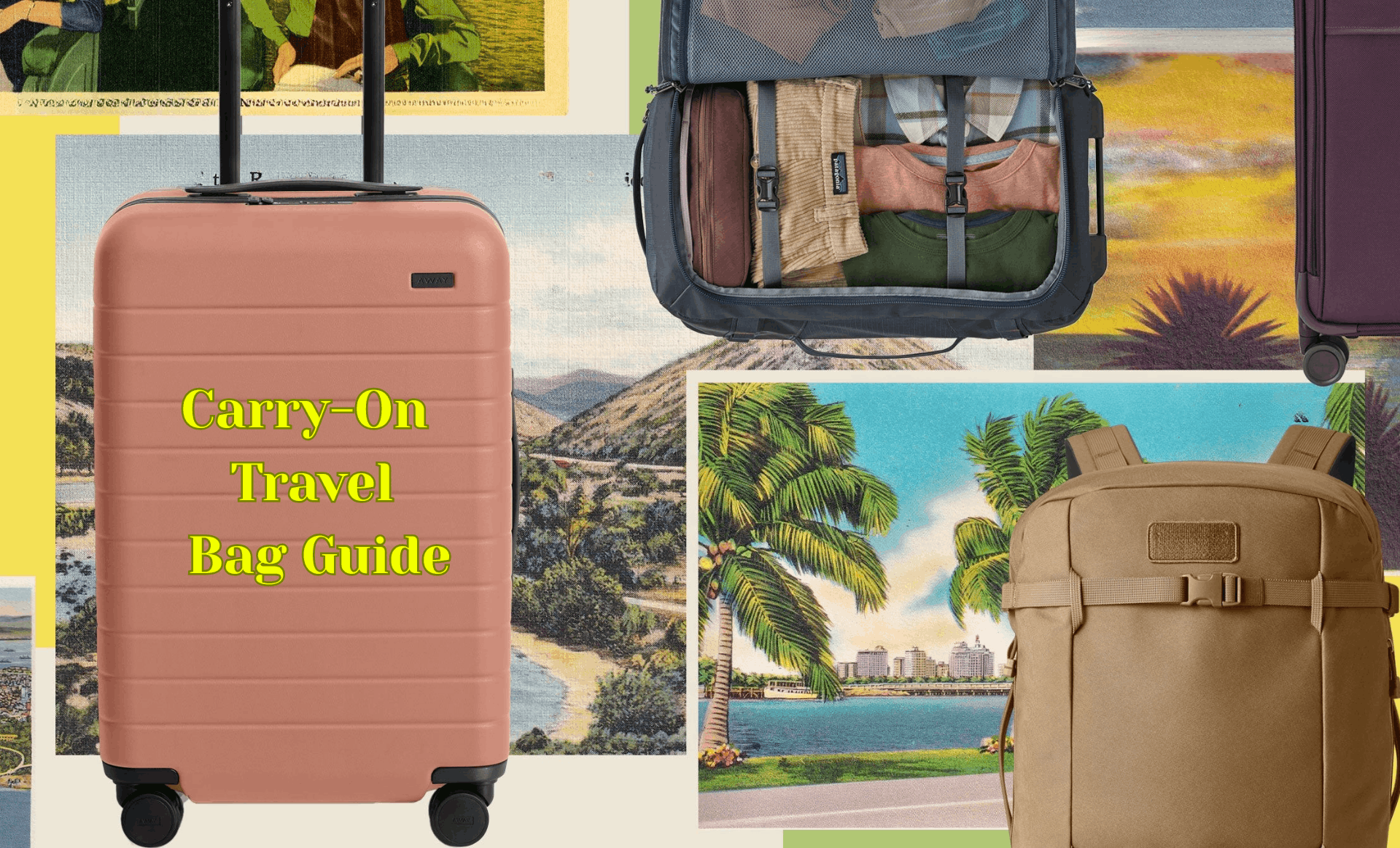
Travel efficiency can be greatly improved when a properly sized carry-on travel bag is selected and organized strategically. With airline restrictions becoming stricter, careful planning should be applied so extra fees can be avoided and convenience can be maintained. In this guide, size regulations, smart packing hacks, and essential items will be explained so every trip can be completed smoothly. Moreover, practical strategies will be presented so space can be maximized while comfort is preserved.
Carry-On Size Rules for Airlines
First, airline size regulations should be reviewed before a carry-on bag is chosen. Each airline typically provides specific dimension limits, and compliance is strictly enforced at boarding gates. Standard carry-on dimensions are often set around 22 x 14 x 9 inches; however, variations are frequently observed.
Policies established by carriers such as American Airlines and Ryanair should be checked in advance because enforcement practices may differ. As a result, unexpected baggage fees can be prevented and travel stress can be minimized.
Best Carry-On Bag Types for Travelers
Several carry-on bag types are commonly recommended because flexibility and durability are required for modern travel. Soft-sided suitcases are often selected because compression is easily achieved in overhead compartments. Additionally, travel backpacks are widely preferred since mobility is improved during transit.
Lightweight materials should be prioritized because weight limits are frequently imposed. Consequently, maximum packing capacity can be achieved without exceeding airline restrictions.
Packing Light Strategies for Carry-On Travel
Packing light should be practiced whenever possible so space can be used efficiently. Clothing should be selected based on versatility, and neutral color combinations are typically recommended because multiple outfits can be created from fewer items.
Layering techniques should be applied because climate variations can be managed without carrying excessive clothing. Furthermore, bulky items should be worn during travel so interior bag space can be preserved.
Space-Saving Packing Hacks
Effective packing methods should be applied so available space can be maximized. Clothes should be rolled instead of folded because compression is improved and wrinkles are reduced. Packing cubes should also be used because organization is enhanced and retrieval time is minimized.
Additionally, shoes should be positioned along the edges of the bag so structure is maintained. Empty spaces inside shoes can be filled with small items, allowing every inch of space to be utilized efficiently.
Essential Items for Carry-On Bags
Certain essential items should always be included in a carry-on bag so comfort and preparedness can be ensured. Travel documents, identification, and personal electronics should be stored in accessible compartments. Liquids should be packed according to airport security regulations so screening delays can be avoided.
A change of clothing, basic toiletries, and medications should also be carried because unexpected travel disruptions may occur. As a result, essential needs can be met even when checked baggage is delayed.
Airport Security Rules for Carry-On Luggage
Security guidelines should be followed carefully so smooth airport processing can be experienced. Liquids, gels, and aerosols are typically limited to small containers and should be stored in transparent bags. Electronics are often required to be presented separately during screening procedures.
By organizing items in advance, inspection time can be reduced and travel flow can be maintained. Therefore, compliance with security rules can contribute to a more efficient airport experience.
Carry-On Organization Tips for Easy Access
Efficient organization should be prioritized so frequently used items can be accessed quickly. External pockets should be used for documents and boarding passes because repeated access is often required. Internal compartments should be arranged logically so packing order can be maintained.
Compression straps should be tightened after packing so contents remain secure during transit. Consequently, item movement can be minimized and bag structure can be preserved.
Travel Comfort and Convenience Essentials
Comfort-enhancing items should be included because long journeys are commonly experienced. Neck pillows, reusable water bottles, and lightweight blankets are frequently recommended for improved travel comfort. Portable chargers should also be carried so devices can remain powered throughout the journey.
Additionally, reusable shopping bags should be packed because unexpected purchases may be made during travel. Therefore, convenience can be maintained without additional expense.
Smart Carry-On Travel Planning Strategies
Travel planning should be completed in advance so carry-on packing can be optimized. Destination weather conditions should be reviewed, and itinerary activities should be considered before packing decisions are finalized. Minimalist packing principles should be followed because efficiency is improved when only essential items are included.
A checklist should be created so important belongings are not forgotten. By following structured preparation methods, travel organization can be strengthened significantly.
Master Carry-On Travel with Smart Packing
Carry-on travel can be managed successfully when airline size rules are followed and strategic packing techniques are applied. By selecting the right bag, organizing essentials effectively, and maximizing space through efficient methods, smooth and cost-effective travel can be achieved. Ultimately, disciplined preparation should be embraced because stress-free journeys can be experienced when every carry-on detail is carefully planned and executed.