Europe is continuing to attract strong international travel demand in 2026, although visitor preferences are changing. According to the European Travel Commission, international arrivals to Europe increased by 5% year-on-year during the first half of 2026, while overnight stays rose by 4.8%. At the same time, greater attention is being given to value, accessibility, climate and destinations beyond the most crowded tourist centres.
Greece, Italy and Malta
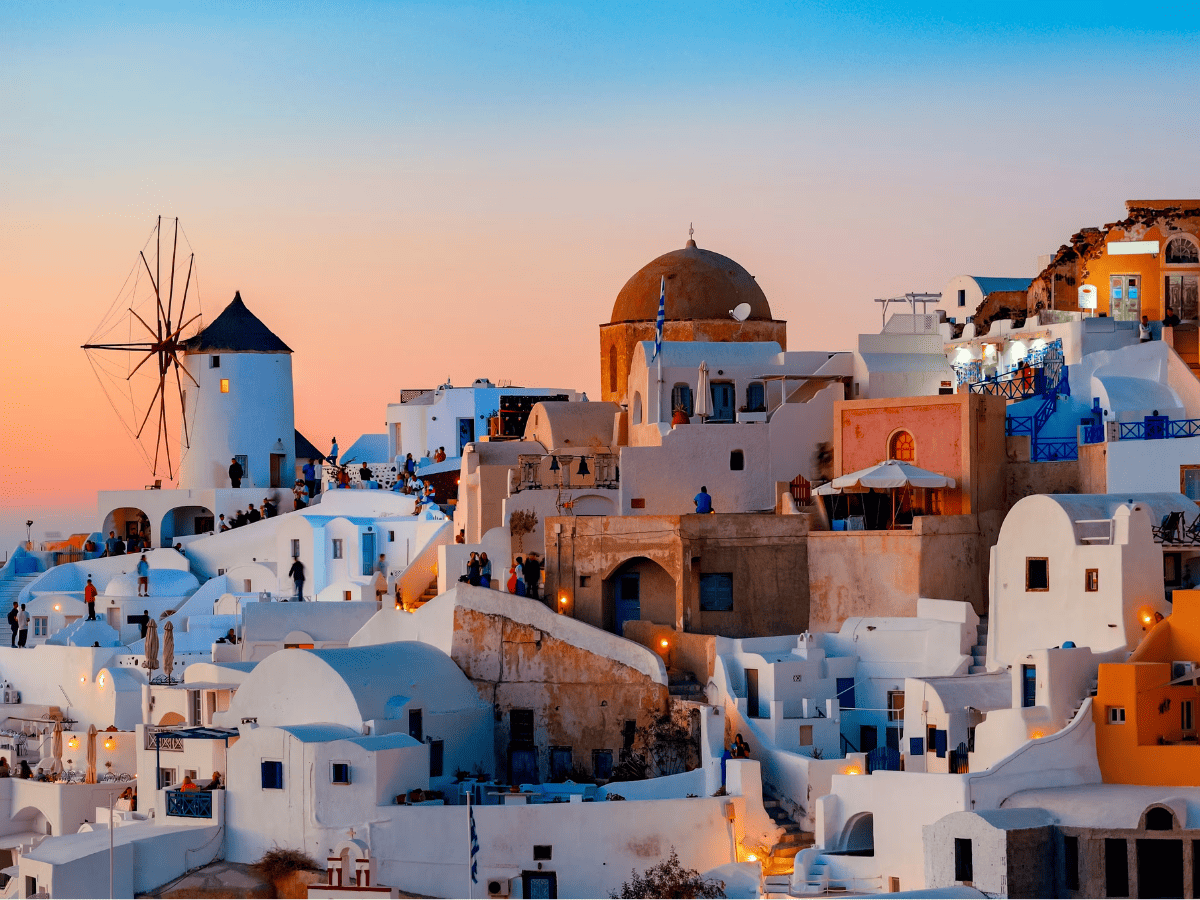
Southern Europe continues to be strongly favoured by travellers. Greece, Italy and Malta have been among the destinations recording some of the strongest increases in international arrivals during 2026.
Greece has received particularly strong attention, with arrivals reported to have increased substantially compared with the previous year. Italy has also benefited from growing demand, while Malta has been supported by its Mediterranean location and convenient access.
As a result, these countries are being considered by travellers seeking a combination of historic attractions, coastal scenery, food and cultural experiences.
Northern Europe Gains Ground
Northern Europe has also been performing strongly. According to the latest European Travel Commission data, the region recorded the strongest growth among Europe’s major subregions during the first half of 2026.
Ireland and Finland have stood out, while interest has also been maintained in destinations offering cooler climates and outdoor experiences. This trend is being supported by travellers who are increasingly considering weather conditions when planning European trips.
Moreover, travel during the shoulder season is being encouraged as visitors look for more comfortable conditions and alternatives to heavily crowded summer destinations.
Smaller Cities Attract Visitors
Attention is also being shifted towards smaller European cities and less crowded alternatives. In 2026, travellers have increasingly been seeking destinations where local culture, heritage and everyday life can be experienced at a slower pace.
Cities such as Cork, Ferrara, Malmö, León and Ålesund have recently been highlighted for their cultural attractions, architecture, food and access to surrounding landscapes. Such destinations can provide a different experience from Europe’s busiest capitals while still offering strong cultural value.
This change is also connected with growing interest in authentic and experience-led travel. Consequently, smaller cities and regional destinations are being considered more seriously by tourists planning European holidays.
What Travellers Are Choosing
European travel demand remains strong, but travellers are becoming more selective. Affordability and value for money have become increasingly important, while shorter distances and easier access are also influencing destination choices.
According to the European Travel Commission, travellers are increasingly favouring places that are perceived as safe, accessible and good value. At the same time, travel is being spread more evenly across the year rather than being concentrated entirely in the busiest summer period.
Therefore, a modern Europe travel guide is no longer limited to the continent’s most famous capitals. Mediterranean favourites, northern destinations and smaller cultural cities are all gaining attention as travellers search for varied experiences, manageable costs and less crowded alternatives.