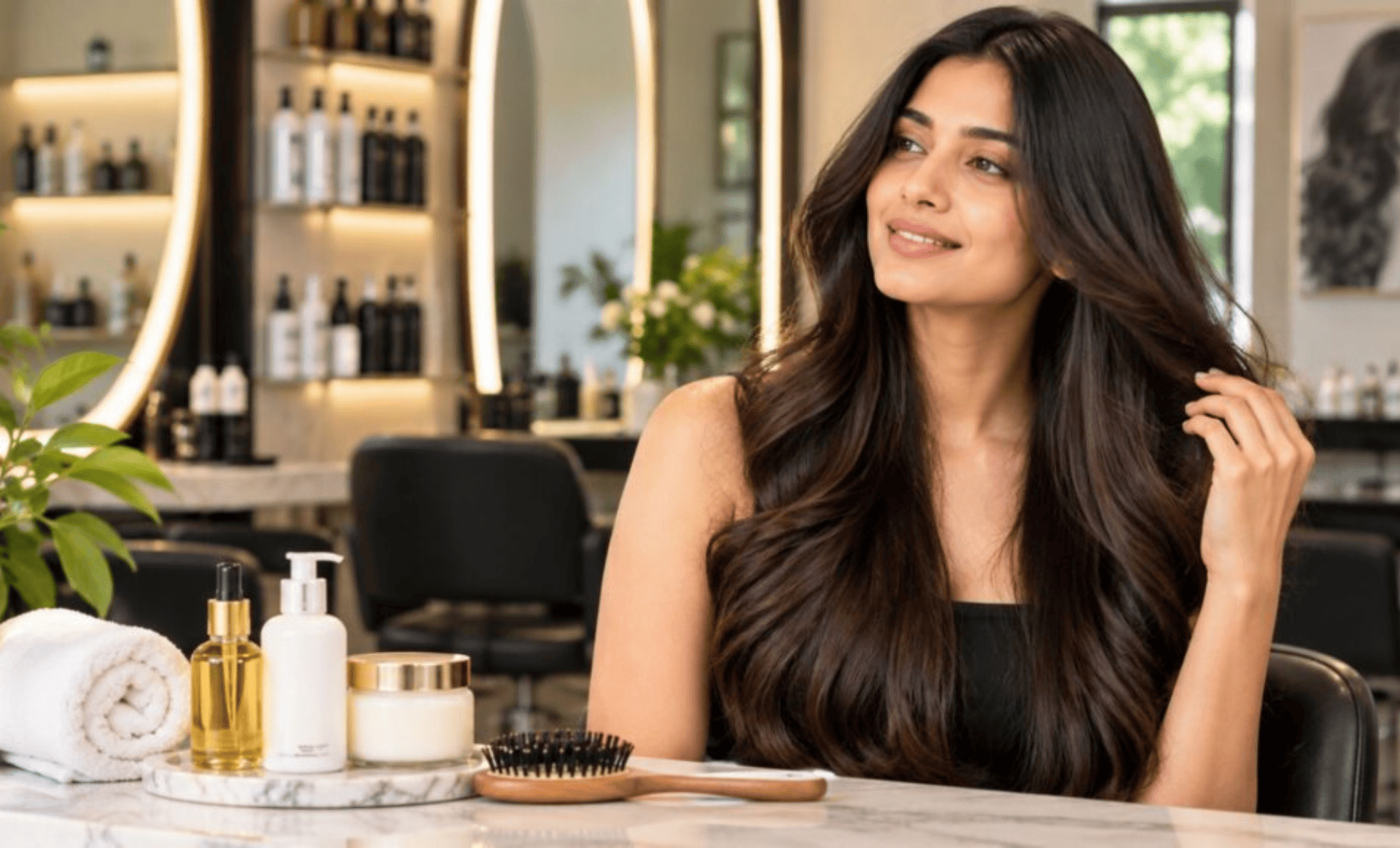
Dry hair ends can be caused by frequent heat styling, chemical treatments, sun exposure, washing habits, and everyday environmental stress. However, nutrition can also be considered when healthier-looking hair is being supported. Since hair is primarily made of keratin, adequate protein and a variety of nutrients can be included in the diet to support normal hair growth and maintenance.
Although food cannot repair split or severely damaged ends, better nutrition can help support newly growing hair. Therefore, a balanced eating pattern can be combined with gentle hair-care practices for a more complete approach.
Hair Stylist Tips for Protein-Rich Foods
Protein should be included regularly because hair is largely composed of keratin, which is a structural protein. When sufficient protein is consumed as part of a balanced diet, the nutritional needs required for normal hair growth can be supported.
Eggs, Greek yogurt, cottage cheese, fish, chicken, tofu, beans, and lentils can be included according to individual dietary preferences. Moreover, protein can be distributed throughout the day instead of being consumed in only one meal.
For example, eggs or yogurt can be enjoyed at breakfast, while lentils, beans, tofu, fish, or chicken can be included at lunch or dinner. As a result, balanced protein intake can be made easier to maintain.
Hair Stylist Guide to Healthy Fats for Dry Ends
Healthy fats can also be included when dry and rough-looking hair is being addressed through nutrition. Avocados, walnuts, almonds, chia seeds, flaxseeds, and fatty fish can provide beneficial dietary fats.
In particular, salmon and other fatty fish can provide omega-3 fatty acids. Plant-based options such as chia and flaxseeds can also be added to meals. For instance, seeds can be added to oatmeal or yogurt, while nuts can be enjoyed as a convenient snack.
However, healthy fats should be consumed as part of an overall balanced diet. They should not be considered a quick treatment for damaged hair ends.
Hair Stylist Advice on Vitamins and Minerals
Several vitamins and minerals are involved in normal bodily functions that can support healthy hair. Iron-rich foods such as lentils, beans, spinach, lean meats, and fortified foods can be included in regular meals. Additionally, vitamin C-rich foods can be added to support a varied and nutritious eating pattern.
Oranges, strawberries, kiwi, tomatoes, and bell peppers can be included as convenient vitamin C sources. Furthermore, colorful fruits and vegetables can provide a wider variety of nutrients.
A balanced plate can therefore be created by combining protein, vegetables, fruits, whole grains, and healthy fats. In this way, nutritional variety can be maintained without depending on one specific food.
Hair Stylist Recommendations for Hydration and Hair Care
Adequate hydration should also be maintained throughout the day. Water can be consumed regularly, particularly during warm weather or increased physical activity. Nevertheless, hydration alone should not be expected to transform dry hair ends.
External hair care should be considered as well. Conditioner can be applied to the lengths and ends after washing, while excessive heat styling should be reduced whenever possible. Furthermore, wet hair should be handled gently because unnecessary pulling can contribute to breakage.
Simple Hair Care
Most importantly, consistency should be maintained. A varied diet can be combined with suitable hair-care products, gentle styling, and regular conditioning. While dietary changes cannot reverse existing split ends, healthier habits can help support stronger-looking hair as it grows.
Persistent or sudden changes in hair should also be discussed with a qualified healthcare professional, particularly when they are accompanied by other symptoms.