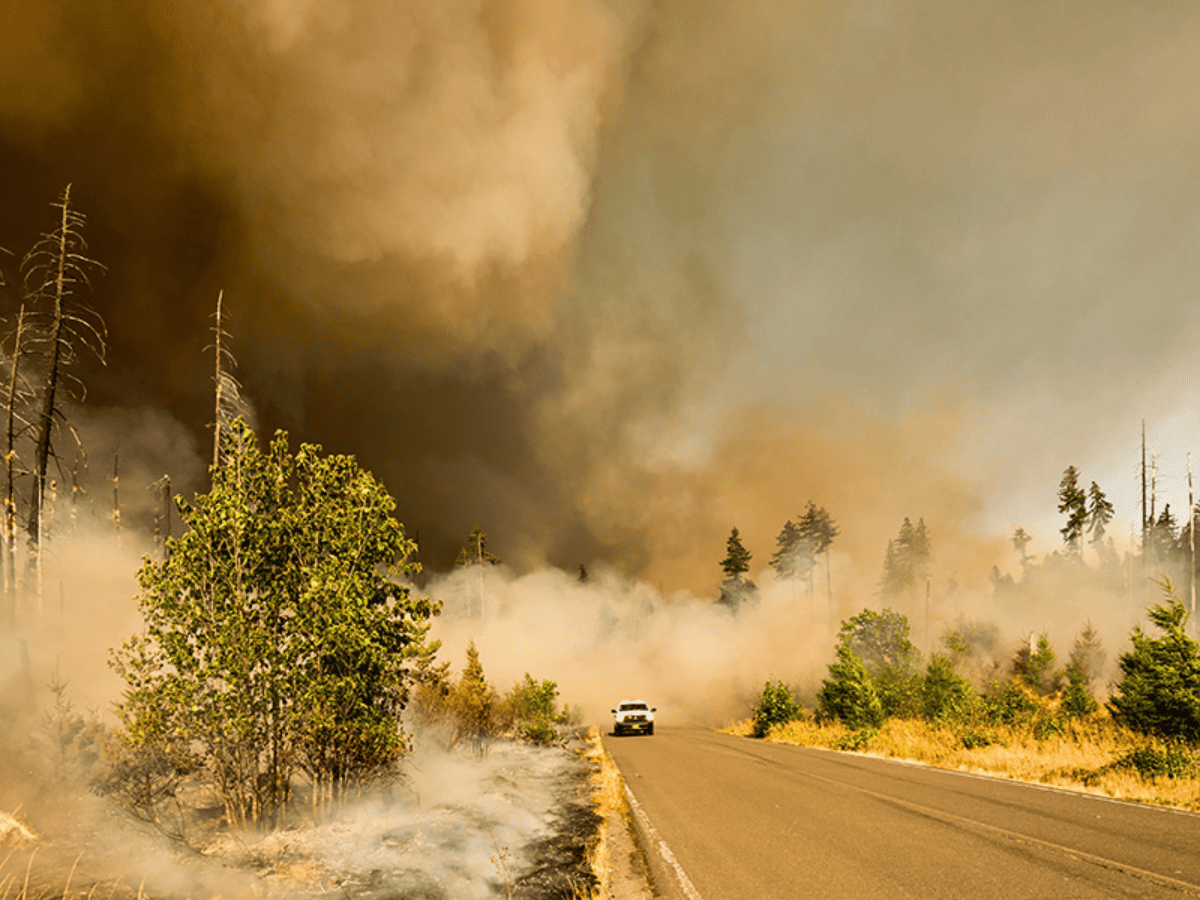
Extreme weather events are being monitored more closely as climate indicators continue to show a changing global environment. Heatwaves, heavy rainfall, floods, droughts, wildfires, and tropical cyclones are being assessed because their effects can extend across communities, infrastructure, food systems, and economies. According to the World Meteorological Organization (WMO), 2015–2025 were the 11 warmest years on record, while 2025 was ranked as the second or third warmest year.
Climate Change and Rising Extreme Weather Risks
The risks associated with extreme weather are being closely studied because warmer conditions can influence the intensity and likelihood of several types of events. However, individual weather events are shaped by multiple factors, including natural climate variability and local conditions.
In 2025, widespread impacts were reported from intense heat, heavy rainfall, flooding, drought, wildfires, and tropical cyclones. These events were associated with disruptions to livelihoods, food systems, infrastructure, and communities in different parts of the world.
Extreme Heat, Flooding, Drought and Wildfires
Extreme heat is being treated as an important climate risk because higher background temperatures can increase heat stress and affect energy demand, agriculture, and public health. At the same time, changing rainfall patterns are being monitored because both unusually wet and unusually dry conditions can create serious problems.
Flooding and drought are being observed across different regions, while wildfire risks can be affected by heat, dryness, vegetation conditions, and wind. In the United States and Europe, significant weather events during 2025 demonstrated how several hazards can create substantial social and economic disruption.
Why Climate Monitoring Matters for Communities
Climate risks are being monitored not only to understand long-term trends but also to improve preparedness. Weather observations, climate forecasts, and early warning systems are being used to help communities prepare for hazards before they become more dangerous.
The WMO has reported continued progress in multi-hazard early warning systems. The number of countries reporting such systems increased from 56 in 2015 to 119 in 2024, although many countries still lack comprehensive coverage.
Building Greater Climate Resilience
Climate risks are expected to remain an important consideration for governments, businesses, and households. WMO projections indicate that global temperatures are likely to remain at or near record levels during 2025–2029, while additional warming is expected to increase risks from heat, heavy rainfall, drought, melting ice, ocean warming, and sea-level rise.
For this reason, better monitoring, reliable forecasting, stronger infrastructure, and effective early warning systems are being emphasized. Although every extreme event cannot be prevented, greater preparation can help reduce potential damage and improve resilience as climate risks continue to be assessed.