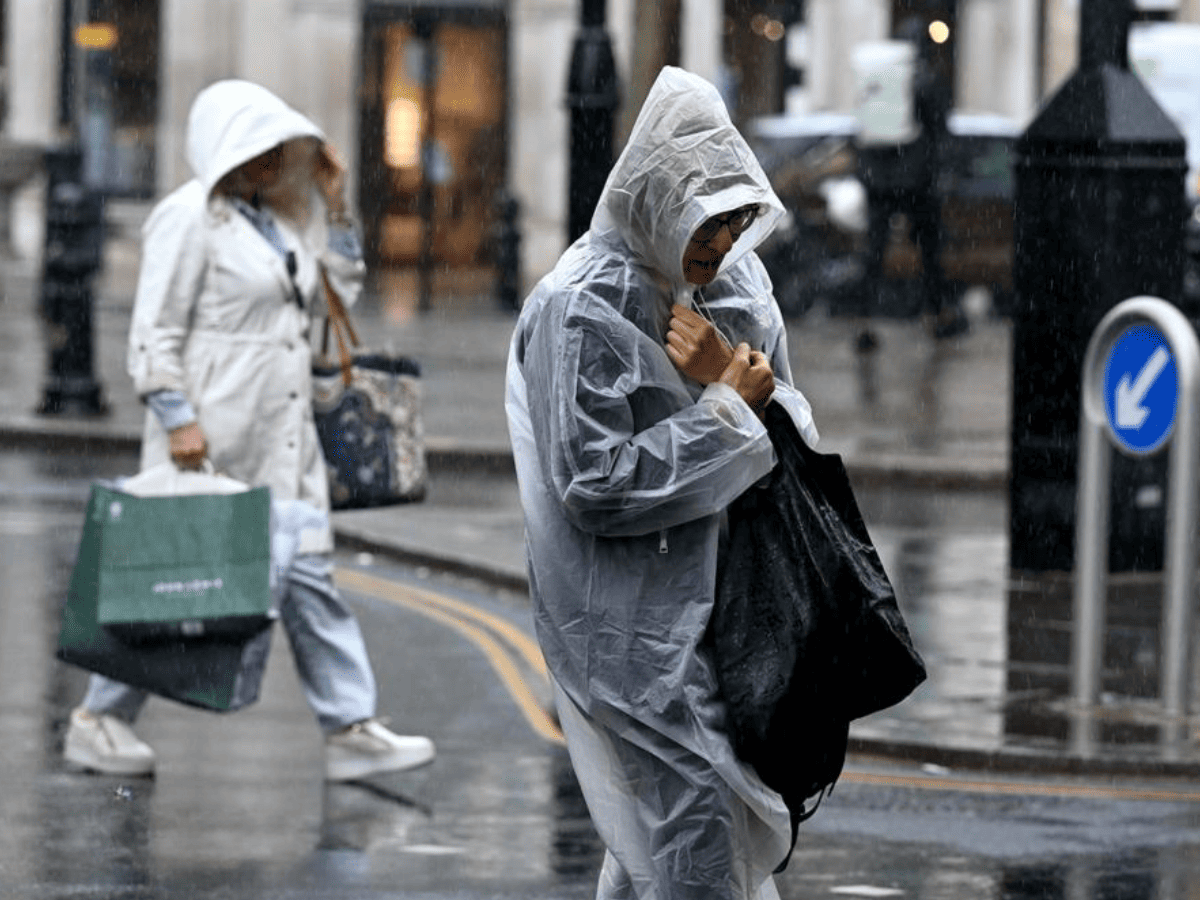
Severe storms can create dangerous conditions within a short period. Therefore, communities are being encouraged to stay prepared before serious weather is experienced. Strong winds, heavy rainfall, thunderstorms, hail, and flooding can be caused by severe storms. As a result, public safety plans are being developed so that risks can be reduced and people can be protected.
Common Severe Storms and Their Risks
Several types of storms can be experienced in different regions. Thunderstorms are often accompanied by lightning, heavy rain, and strong winds. In some cases, large hail can also be produced. Tornadoes may be formed when powerful thunderstorms develop under suitable atmospheric conditions. Moreover, tropical storms and hurricanes can bring damaging winds, flooding, and storm surges.
Because of these risks, severe storms are closely monitored by weather agencies. Warnings are issued when dangerous conditions are detected. Consequently, residents can be given more time to move indoors or leave areas that may be affected.
How Communities Prepare Before Storms
Preparation is considered one of the most important parts of storm safety. Emergency plans are usually created by local authorities before severe weather occurs. Shelters may be identified, evacuation routes can be prepared, and emergency communication systems are tested.
At the household level, emergency supplies are also recommended. Water, food, flashlights, batteries, medicines, and basic first-aid materials can be stored in an accessible location. In addition, important documents can be protected from water damage. By taking these steps, the effects of dangerous weather can be reduced.
The Role of Weather Warnings and Communication
Accurate information is especially important when severe weather is approaching. Weather conditions are monitored through radar, satellites, weather stations, and other forecasting systems. Therefore, weather warnings can be issued when a significant threat is identified.
Furthermore, emergency messages can be shared through television, radio, mobile alerts, websites, and social media. Clear instructions are needed because confusion can increase risks during an emergency. For this reason, residents are advised to follow official warnings and avoid unnecessary travel when dangerous conditions are reported.
Building Stronger Storm Preparedness
Long-term preparedness can help communities become more resilient. Infrastructure can be improved so that roads, drainage systems, power networks, and buildings are better protected. Additionally, trees and loose outdoor objects can be secured before storms arrive.
Schools, workplaces, and local organizations can also conduct emergency drills. Through regular practice, safer responses can be developed. Moreover, storm preparedness can be improved when communities work together and share reliable information.
Overall, extreme weather events cannot always be prevented, but their effects can often be reduced. When preparation, communication, and public awareness are combined, communities can respond more effectively. Therefore, community storm safety should remain an important part of local emergency planning.