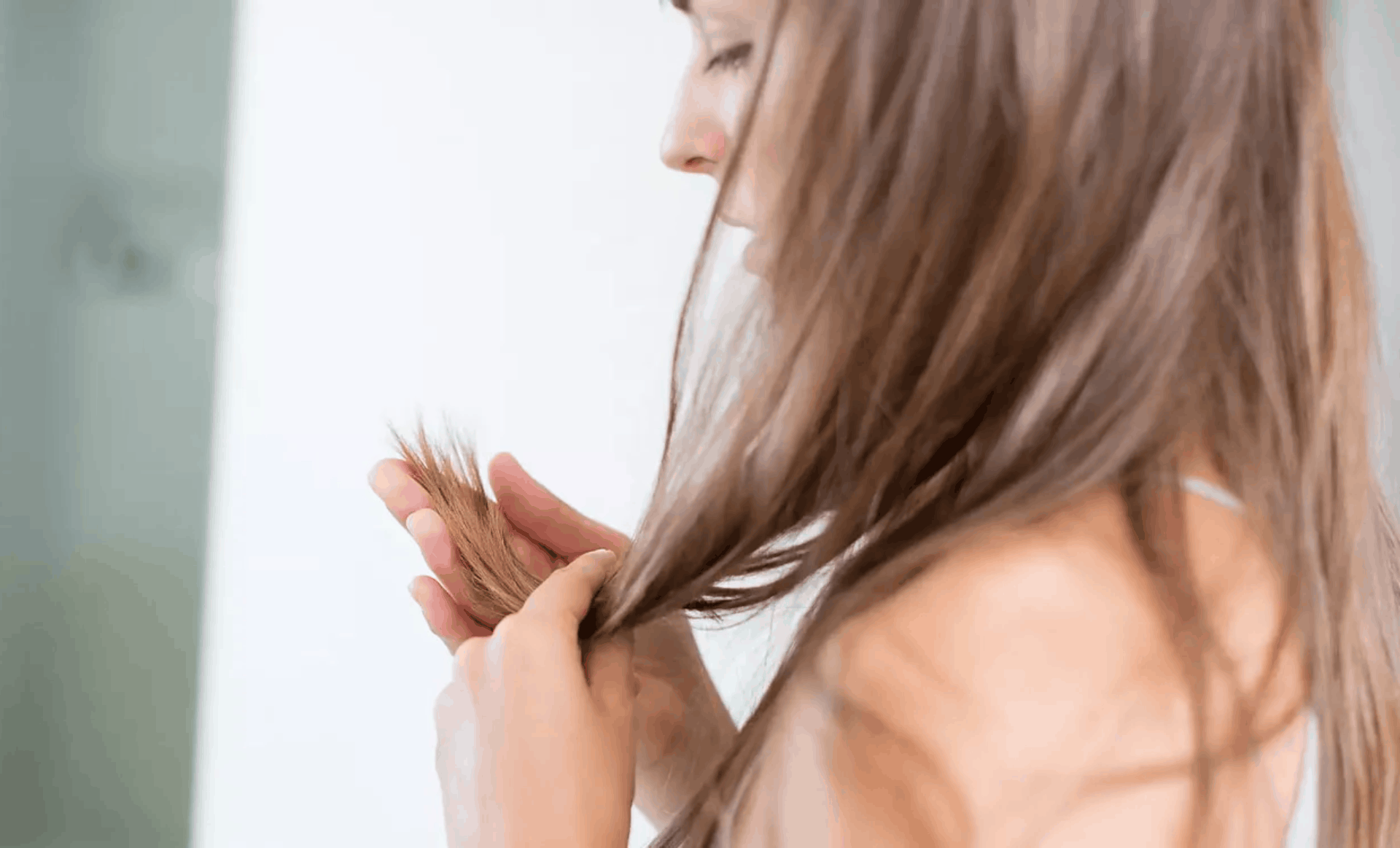
Dry hair ends can be caused by heat styling, environmental exposure, frequent washing, and nutritional gaps. Although conditioners and hair masks are commonly used to improve softness, healthy hair can also be supported through a balanced diet. Essential nutrients are supplied to hair follicles through everyday foods, while moisture and shine are maintained with proper hair care. Therefore, a combination of good nutrition and suitable styling practices is recommended for healthier-looking hair.
Foods to Eat for Dry Hair Ends and Healthy Hair Growth
Protein-rich foods are considered essential for healthy hair because hair strands are primarily made of keratin, a structural protein. Eggs, lentils, beans, fish, and lean poultry can be included in a balanced diet to support normal hair growth. Additionally, iron-rich foods, such as spinach, lentils, and fortified cereals, can be consumed to help maintain adequate iron levels.
Healthy fats are also provided by walnuts, chia seeds, flaxseeds, and avocados. These foods supply essential fatty acids and other nutrients that support overall health. However, dry hair ends are not always caused by nutritional deficiencies. Therefore, dietary changes should be combined with gentle hair care rather than being treated as an instant solution.
Vitamins and Minerals That May Help Dry Hair Ends
Several vitamins and minerals are needed for normal hair growth and overall scalp health. Vitamin C, which is found in oranges, strawberries, guavas, and bell peppers, helps collagen production and supports iron absorption. Meanwhile, vitamin E is supplied by almonds, sunflower seeds, and other nuts and seeds.
Zinc and iron are also required for normal hair growth. These nutrients can be obtained from foods such as pumpkin seeds, beans, whole grains, meat, and seafood. Furthermore, vitamin D and vitamin B12 needs should be met through suitable dietary sources or supplements when recommended.
However, excessive supplementation is not advised. High doses of certain nutrients can cause harm and may even contribute to hair loss. For this reason, supplements should be used when a deficiency has been identified or professional advice has been provided.
Hydration and Healthy Fats for Softer Hair Ends
Adequate hydration is important for overall health, although drinking extra water alone will not repair split ends or reverse existing hair damage. Water should be consumed regularly throughout the day, with individual needs being adjusted for activity levels and weather conditions.
In addition, healthy fats can be obtained from olive oil, avocados, nuts, seeds, and oily fish. These foods provide nutrients that support normal body functions and help maintain a balanced diet. Colorful vegetables and fruits should also be included because they provide antioxidants and essential vitamins.
For better results, dietary improvements should be paired with a suitable conditioner and a gentle detangling routine. Heat exposure should be reduced, and split ends should be trimmed when necessary.
A Stylist’s Tips for Managing Dry Hair Ends
From a hairstylist’s perspective, dry ends are often managed through a combination of nutrition and external care. A balanced diet can support new hair growth, while damaged lengths are protected with moisturizing products and reduced heat styling.
A conditioner should be applied after shampooing, particularly to the mid-lengths and ends. Additionally, hair should be handled gently when wet, and excessive brushing should be avoided. A leave-in conditioner or suitable hair serum may also be used to improve softness and reduce friction.
Consistency is important because visible improvements in new hair growth may take time. Existing split ends cannot be permanently repaired by food or hair products, so trimming may be needed.
Final Takeaway
Dry hair ends can be managed more effectively when balanced nutrition and gentle hair care are combined. Protein-rich foods, healthy fats, fruits, vegetables, and essential minerals can support normal hair health. Meanwhile, conditioning, reduced heat styling, and regular trims can help improve the appearance of dry lengths. If persistent hair dryness occurs alongside unusual shedding or other symptoms, professional advice should be considered.