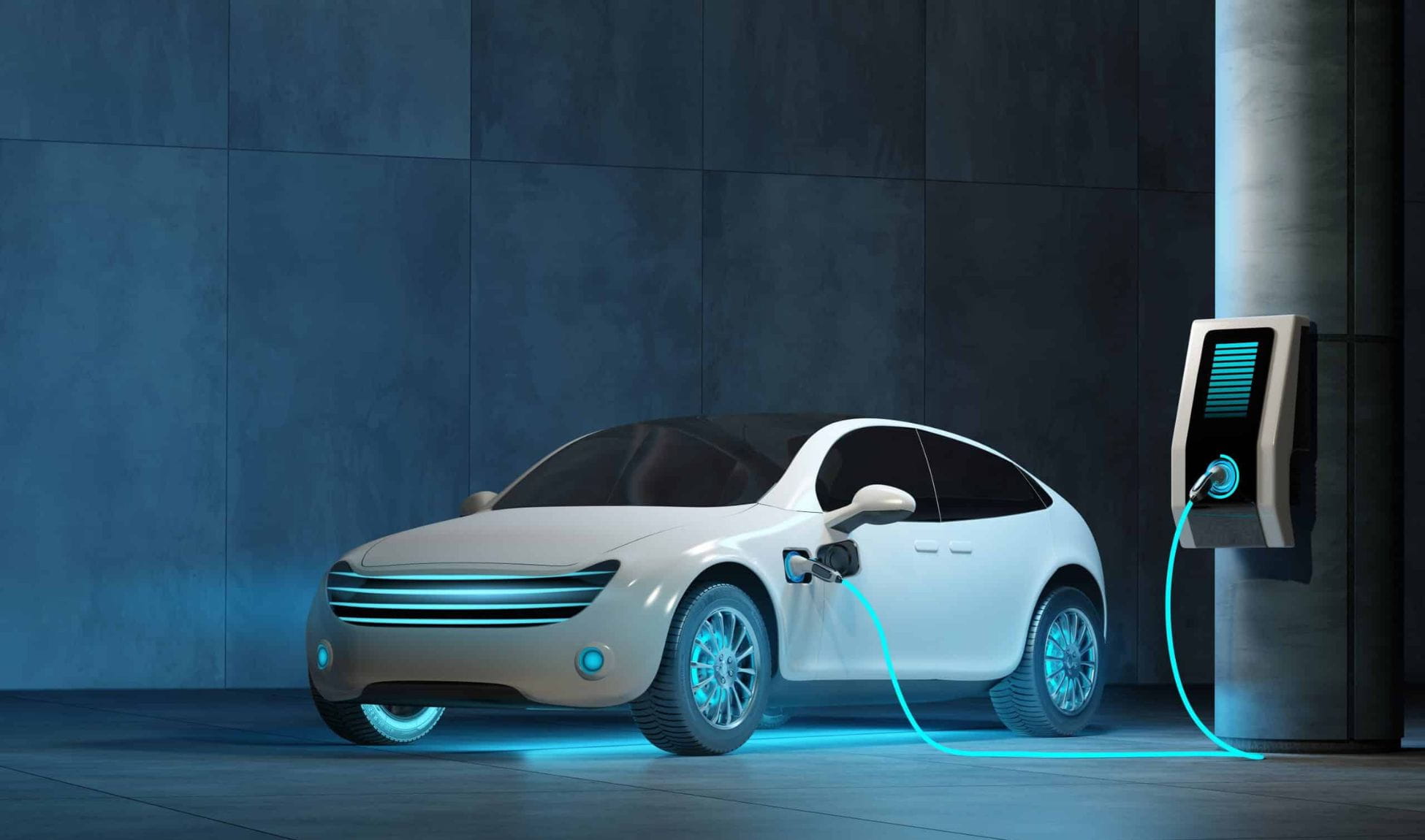
The way people travel is changing as technology creates cleaner, quieter, and more convenient transportation choices. Electric mobility is at the center of this transformation, bringing new ideas to personal vehicles, public transport, and everyday commuting. Better batteries, connected systems, and expanding charging networks are making electric travel easier to understand and use.
Smarter vehicles improve daily journeys.
Modern electric vehicles are becoming more practical for everyday transportation. Along with electric power, many models include navigation systems, digital dashboards, parking assistance, and energy-monitoring features. These technologies can help drivers manage journeys more comfortably while understanding how their driving habits affect battery usage and overall efficiency.
Electric cars can also provide a smooth and quiet driving experience. As manufacturers continue improving vehicle designs, consumers have more choices for city travel, family transportation, and longer road journeys. This growing variety is helping electric vehicles become a familiar part of modern transportation.
Battery innovation extends driving possibilities.
A major part of battery technology is focused on improving vehicle range and charging performance. Engineers are exploring ways to create batteries that store more energy while remaining reliable and durable. Better energy management can help drivers travel farther before needing to recharge.
Battery improvements can also influence the overall ownership experience. Faster charging can reduce waiting periods, while more efficient energy use can make electric transportation suitable for different daily routines. Continued development in this area will remain important as demand for electric vehicles increases.
Charging networks simplify travel planning.
Reliable EV charging is essential for convenient electric transportation. Home charging can allow drivers to prepare their vehicles overnight, while public charging stations offer additional flexibility during longer journeys. Easy access to charging points can make route planning more straightforward for commuters and travelers.
Digital charging platforms are adding further convenience. Drivers can often use apps to locate charging stations, check availability, and monitor charging progress. These services connect physical infrastructure with digital tools to create a more organized travel experience.
Connected mobility creates flexible options.
The growth of smart mobility is bringing digital technology into transportation. Connected vehicles can work with mobile applications, navigation tools, and other services to provide useful journey information.
This combination of transportation and technology can make everyday journeys more flexible. Instead of relying only on traditional travel methods, people can use connected systems to choose options that better match their schedules and destinations.
Electric transport transforms urban movement.
Beyond private cars, urban electric transport includes buses, scooters, bicycles, motorcycles, and delivery vehicles. These options can support short-distance travel and provide alternatives for crowded city environments. Electric public transport can also become part of broader efforts to develop quieter and more efficient urban mobility.
As cities continue to grow, transportation systems will need to become more adaptable. Electric mobility can contribute to this transition by combining cleaner energy options with modern digital infrastructure.
Innovation shapes future travel experiences.
The future of clean transportation will depend on continued progress across vehicles, batteries, charging systems, and connected services. When these innovations work together, travelers can benefit from more convenient and efficient journeys. Electric mobility is not simply changing how vehicles are powered; it is helping create a smarter approach to how people move every day.