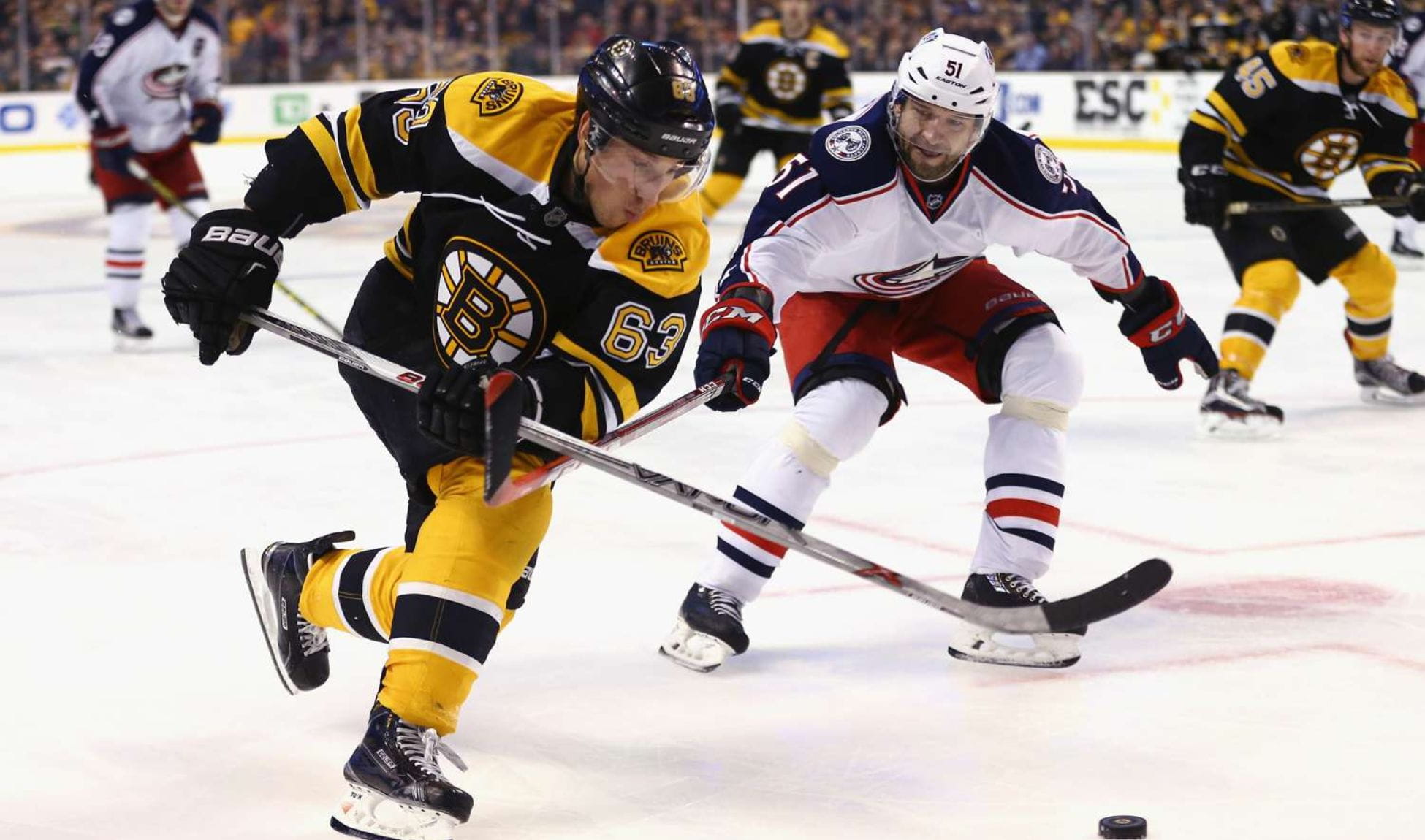
Ice hockey demands speed, balance, strength, and quick reactions throughout every shift. Players need more than technical skills to stay effective on the rink. A consistent ice hockey fitness routine can improve movement, stamina, coordination, and overall game readiness while helping athletes handle the physical demands of competitive play.
Build Strength For Powerful Movement
Strong muscles support explosive skating, controlled turns, and physical stability. Hockey strength training should focus on the legs, core, shoulders, and upper body. Exercises such as squats, lunges, planks, and controlled resistance movements can help develop the strength needed for faster acceleration and stronger positioning during games.
Improve Speed Through Skating Drills
Quick movement can make a major difference during important moments. Regular skating speed drills can help players improve acceleration, stopping ability, direction changes, and overall footwork. Short bursts of skating followed by recovery periods can also make training more closely match the repeated efforts required during a hockey match.
Develop Endurance For Longer Shifts
Players often need to maintain intensity even when fatigue begins to appear. Hockey endurance training can improve cardiovascular fitness and help athletes recover between demanding efforts. Cycling, interval running, stair exercises, and skating-based conditioning can all provide useful ways to build stamina without making every workout feel repetitive.
Train Balance For Better Control
Good balance allows players to remain stable while skating, turning, passing, and competing for the puck. Hockey balance exercises can include single-leg movements, stability drills, controlled lateral steps, and core exercises. Better body control can help athletes maintain their position and respond more confidently to sudden changes on the ice.
Strengthen Recovery And Flexibility
Hard training requires enough recovery to maintain consistent performance. Hockey recovery routines can include gentle stretching, mobility exercises, proper hydration, and adequate rest. Flexible muscles can support comfortable movement, while recovery days give the body time to adapt to demanding workouts and reduce unnecessary training fatigue.
Practice Agility For Faster Reactions
Hockey players must react quickly when opponents change direction or the puck moves unexpectedly. Agility training using cones, lateral movements, reaction drills, and short acceleration exercises can improve coordination and responsiveness. These skills can help players transition between attacking and defensive situations more efficiently.
Create A Balanced Fitness Routine
Strong on-ice performance comes from combining different areas of physical preparation rather than focusing on one skill alone. A balanced routine can include strength, speed, endurance, mobility, agility, and recovery. Consistent training, sensible progression, and attention to individual fitness levels can help hockey players become more prepared, confident, and effective during every game.